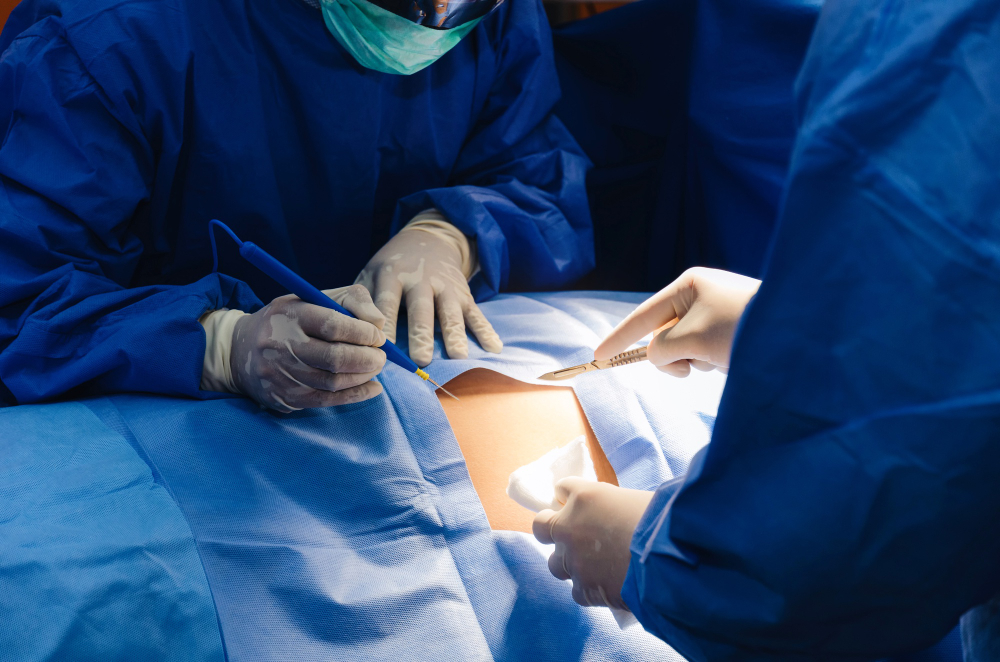
What is Colectomy?
Colectomy, also called colon surgery, is a procedure to remove part or all of the colon. The colon is a long tube in your belly that helps move waste out of your body. Sometimes, doctors may call this surgery colon removal or colon resection. People may need a colectomy for many reasons. For example, it can help treat diseases or fix problems in the colon. Colectomy (colon surgery) can be life-saving and often improves quality of life.
Why is Colectomy Performed?
Doctors may suggest colectomy for several reasons. Often, it is needed when other treatments do not work. Here are some common reasons:
In some cases, colectomy is the best way to help someone feel better or prevent serious problems.
Types of Colectomy
There are different types of colectomy. The type depends on how much of the colon is removed and how the surgery is done. Here are the main types:
Doctors choose the best type based on your health and the reason for surgery.
How is Colectomy Performed?
Although each colectomy is unique, most follow similar steps. Here is a simple overview:
Some colectomy procedures use special tools and cameras. This can help you heal faster and have less pain.
Risks and Complications
Like all surgeries, colectomy has some risks. However, doctors take steps to lower these risks. Possible side effects include:
If you notice fever, pain, or swelling after surgery, tell your doctor right away. Early care can prevent bigger problems.
Recovery and Aftercare
After colectomy, you will stay in the hospital for a few days. Nurses and doctors will watch you closely. Here is what you can expect:
Once home, follow these tips for a smooth recovery:
Recovery times can vary. However, most people feel better within a few weeks.
Prevention and Lifestyle Guidance
Although not all colon problems can be prevented, you can take steps to keep your colon healthy. Here are some tips:
If you notice changes in your bowel habits, blood in your stool, or ongoing pain, see a doctor soon. Early care can make a big difference.
Conclusion
Colectomy (colon surgery) is a common and safe way to treat many colon problems. With the right care, most people recover well and return to normal life. If you have questions about colon removal surgery, colon resection, or colectomy procedure, consult a specialist for personalized advice about colectomy or colon surgery.
Sources: Centers for Disease Control and Prevention (CDC), World Health Organization (WHO), National Institutes of Health (NIH)